Replica of Zheng He’s treasure ship in Nanjing’s Baochuan Shipyard. Courtesy of kbismarck.org
In 1424, the Yongle Emperor died. His successor, the Hongxi Emperor (who reigned for only one year between 1424–1425), decided to stop Zheng He’s voyages. Zheng He traveled only once more during the reign of Hongxi’s son, the Xuande Emperor. After that final expedition the voyages of the Chinese treasure ship fleets were ended. Xuande believed his father’s decision to halt the voyages meritorious, and thus “there would be no need to make a detailed description of his grandfather’s sending Zheng He to the Western Oceans.” This, and the claim that the voyages “were contrary to the rules stipulated in the Huangming zuxun, Ancestral Injunctions of the August Ming, the royal founding documents laid down by the Hongwu Emperor…” led the conservative Mandarin Confucian bureaucracy to scuttle the entire 250 ship fleet – by far the largest of their time – and burn the shipyards.
By the 1500s building a ship in China with more than two masts was punishable by death. Confucian bureaucrats feared an independent maritime merchant class empowered by exposure to new cultures and foreign technologies. In 1511 Portuguese ships sailed into Canton, China.

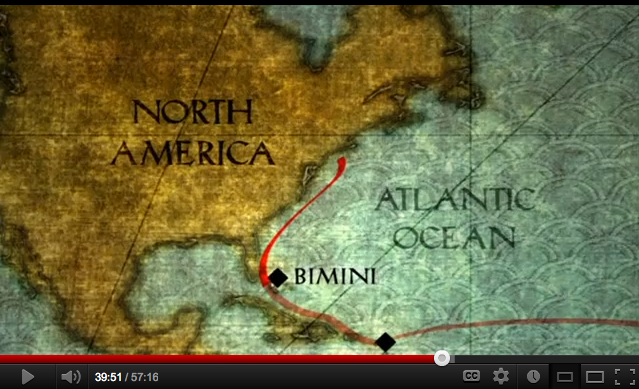
The Speculative Film “1421: The Year China Discovered America” Part 1 of 2
The Speculative Film “1421: The Year China Discovered America” Part 2 of 2

 [metaslider id=36]